Connecting the ecosystem to the evolution of circular policies and solutions in real time
Bringing together a global network of 400+ organizations to advance the circular economy
Introducing

Experiential Intelligence on Circular Solutions & Policy in the United States


Upcoming Activations


Our impact to date
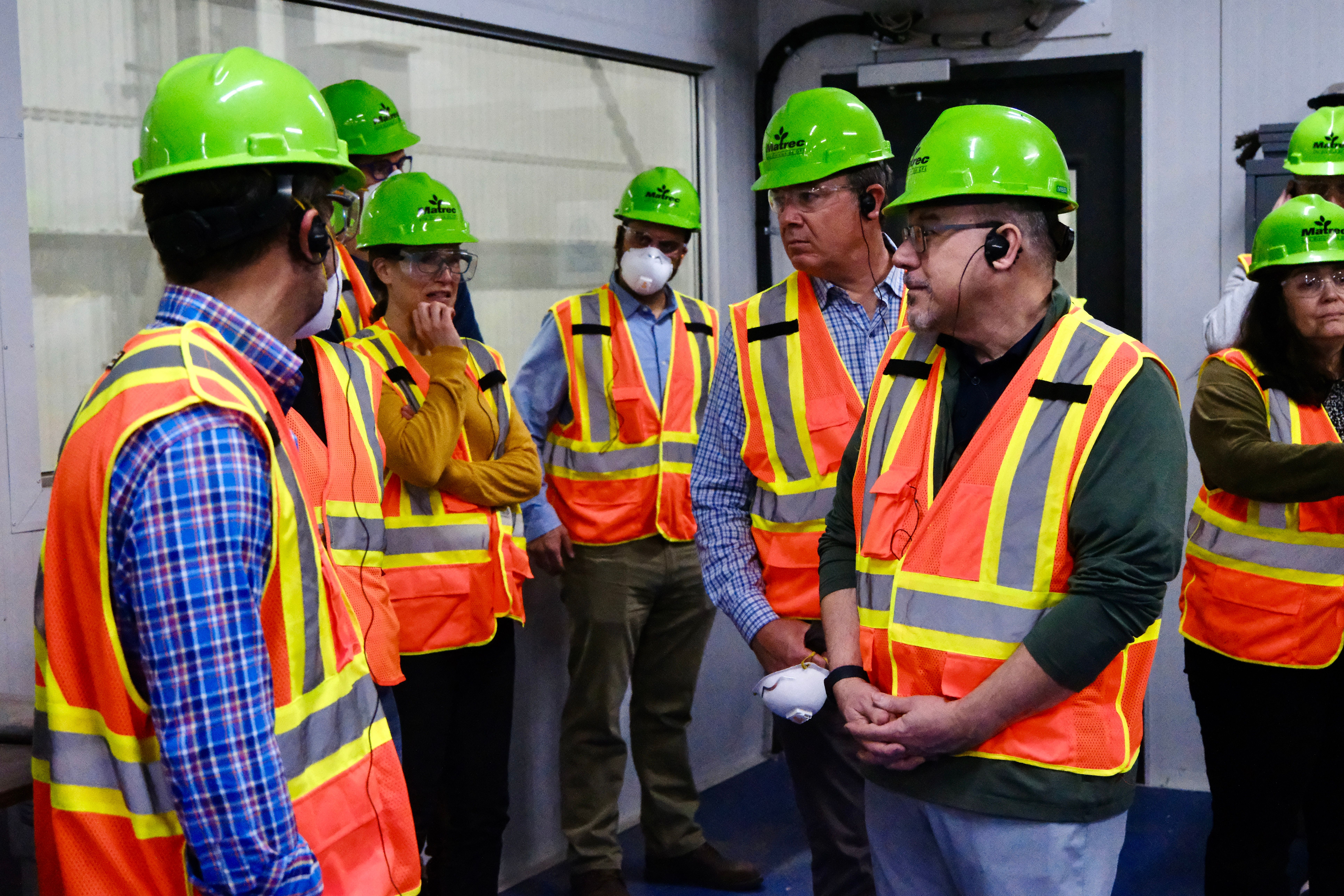
Since its inception, OPLN has served as a neutral convener, bringing together historically oppositional stakeholders to build consensus and drive action on the most complex challenges in the plastics system. Its work spans critical issues such as extended producer responsibility (EPR), deposit return systems, reuse and refill models, advanced/molecular/chemical recycling, alternative materials, and chemicals of concern.
OPLN’s network reaches across the full packaging value chain—including leading brands, material producers, recyclers, packaging-focused NGOs, and local, national, and supranational governments.

From Legislation to Implementation: CIRCLE’s Role in the Evolving Landscape of U.S. EPR Policy
Explore how Maryland and Washington joined the wave of EPR packaging laws in 2025. Learn about CIRCLE's role in advancing U.S. circular policy, upcoming plenaries, the Montréal summit, and insights from state and federal regulatory leaders.

Momentum Builds for Recycling Changes: EPR, DRS, ACM, and Resource Security
Lawmakers unite on EPR, DRS, and advanced recycling in a House hearing aiming to modernize America’s broken recycling system and boost resource security. EPR, advanced recycling, deposit return, U.S. House hearing, recycling reform, resource security, bipartisan legislation, STEWARD Act, CIRCLE Act

Tracking with the Plastic Pollution Treaty: INC-4 Aftermath, Intersessionals in Thailand, and t...
The origin story
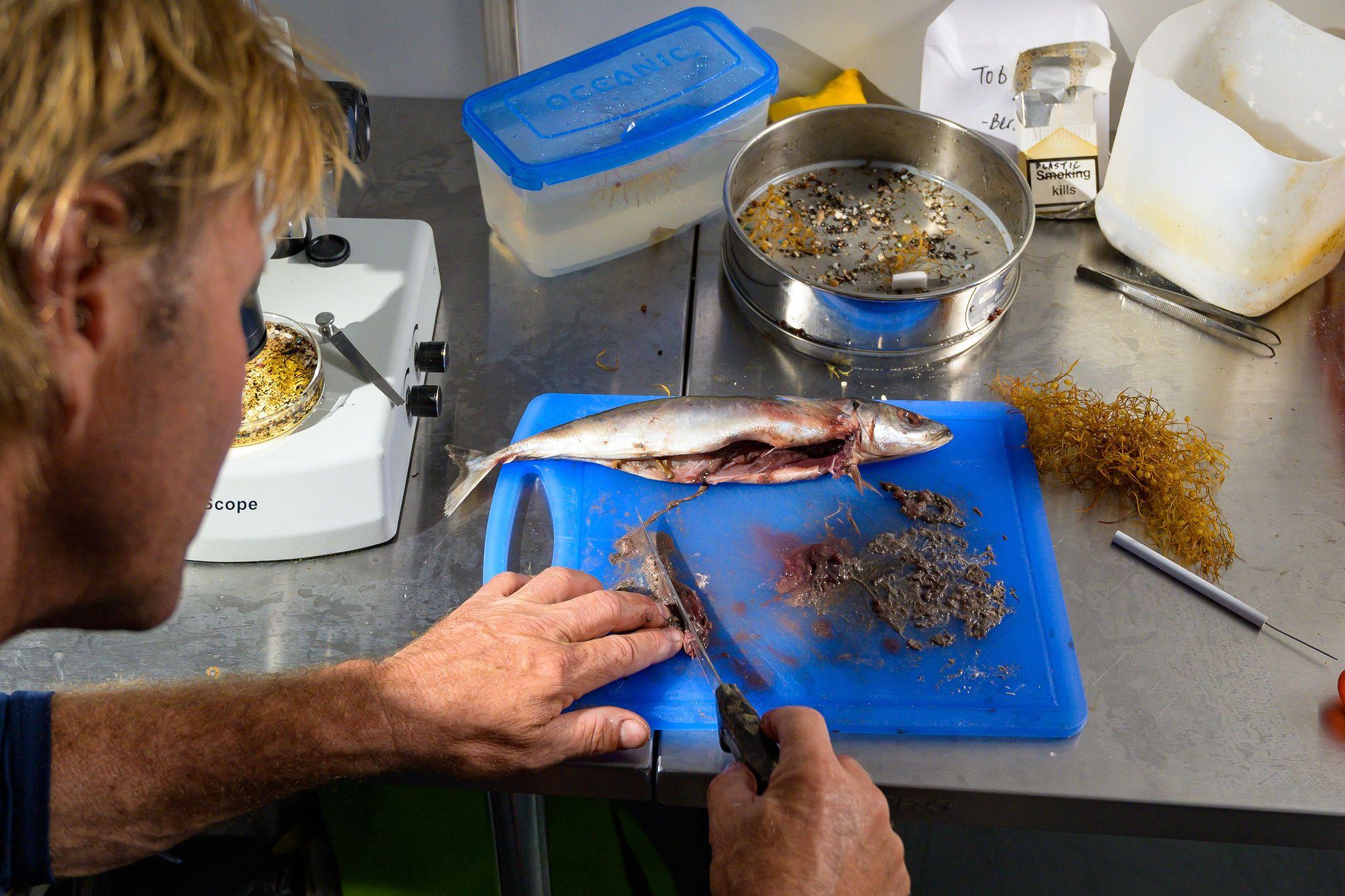
OPLN was born in 2019 during an expedition to the Atlantic Garbage Patch, where leaders from across the plastics ecosystem—industry, NGOs, and experts—experienced the challenge of plastic pollution firsthand. That shared experience shaped OPLN’s neutral convening approach, grounded in seeing the same facts, at the same time, from the same vantage point. Guided by principles of Information Integrity, Multi-Stakeholder Visibility, and Practical Policy Readiness, OPLN has evolved alongside the policy landscape. In recent years, this work has focused on Circle by OPLN, which brings policymakers to see implemented circular policy systems firsthand. Today, Circle provides a nonpartisan space for policymakers, industry, scientists, and NGOs to learn, compare, and understand emerging packaging and recycling systems—without advocacy or predetermined outcomes.



Experience circulary policy firsthand





The Plastics Landscape is complex and chaotic
What stakeholders say about us

“The inclusion of waste reclaimers in the treaty negotiation process is crucial to form an inclusive agreement. OPLN’s efforts to include these voices throughout the dialogues, bringing their perspectives to the forefront of these discussions have informed all stakeholders of waste reclaimers’ vital role in solving the plastic pollution crisis.”


